

Start With the End in Mind: Bringing Art Programs to Lincoln High School

Updated: Aug 10
By LaKeem Wilson
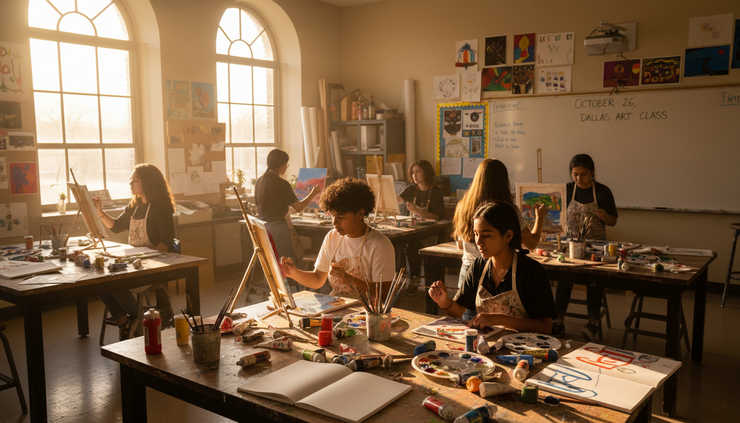
Why this workshop matters
The program is designed to help developing artists strengthen their creative voices while learning how the professional art world operates.
Students will create artwork, explore different mediums, write artist statements, organize portfolios, prepare work for public presentation, and learn how to apply for college programs, national art competitions, artist calls, and grant opportunities.
The goal is not to tell every student that there is only one way to become an artist. There is not. Some students may become studio artists. Some may become designers, curators, educators, conservators, photographers, filmmakers, installers, writers, or museum workers. Some may carry their creative training into fields that do not yet have a name.
The goal is to help each student understand the options available and begin making intentional decisions about their future.
The curriculum starts at the destination
The workshop is built around six major lessons. Each lesson receives two weeks of attention, giving students time to learn, create, reflect, revise, and apply the information.
I intentionally present the lessons in reverse order, from six to one. Before students begin creating, I want them to see where the program is leading. Then we work backward and identify the steps required to reach that destination.
That approach matters. When students know what a complete application looks like, they can better understand why documentation, writing, presentation, and body of work all matter.
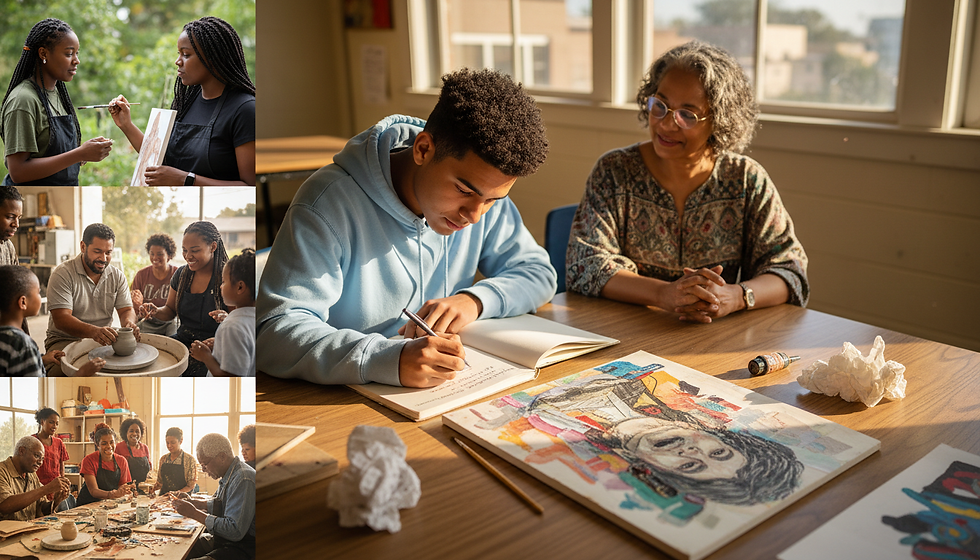
Lesson 6 focuses on applying for real opportunities
A strong portfolio can sit unseen if a student does not know how to submit it.
Students will learn how to read artist calls, understand eligibility requirements, follow submission instructions, meet deadlines, photograph artwork, name digital files, and prepare a complete application.
They will also learn how to organize materials for different types of opportunities, including:
College art programs
National student competitions
Open calls for artists
Local exhibition opportunities
Grants and creative funding programs
Portfolio reviews
This lesson gives students a practical understanding of how opportunity moves through the art world. It also teaches care. A missed deadline, blurry image, or incomplete form can affect an application before the artwork is even reviewed.
Lesson 5 builds the portfolio
A portfolio is more than a folder of images. It is a way of saying, this is what I am thinking about, this is what I can make, and this is where I am growing.
Students will learn how to select work, sequence images, edit for clarity, and remove pieces that do not support the larger direction. They will also learn how to photograph artwork in a clean and consistent way.
This part of the workshop will cover basic documentation habits, including lighting, cropping, file organization, title lists, dimensions, mediums, and dates. These details may seem small at first, but they become essential when students apply for programs or exhibitions.
Lesson 4 teaches artists how to write about their work
Many young artists can explain their work out loud, but freeze when asked to write an artist statement. This lesson helps students turn their ideas into clear language.
Students will write and revise short artist statements, biographies, and project descriptions. They will learn the difference between describing what the viewer sees and explaining the ideas, choices, and questions behind the work.
The goal is not to make every statement sound the same. The goal is to help students write in a voice that feels honest, specific, and understandable.
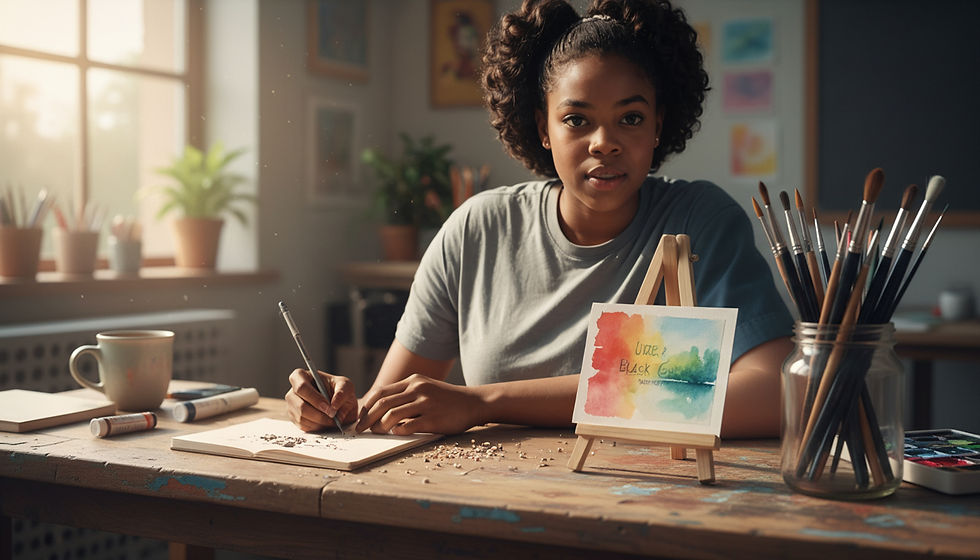
Lesson 3 prepares work for public presentation
Showing artwork changes how students see their own practice. A piece that lived in a sketchbook or classroom suddenly has to stand in front of an audience.
Students will learn how to prepare work for display, think about spacing, consider scale, write labels, and understand how presentation affects meaning. They will also discuss critique as a tool for growth rather than judgment.
This lesson introduces the habits that support exhibitions, portfolio days, art fairs, student showcases, and community events.
Lesson 2 gives students room to explore materials
Before students can build a body of work, they need time to test materials and make discoveries.
This lesson invites students to explore different mediums and approaches. Drawing, painting, collage, mixed media, photography, and found materials can all become part of the conversation. The point is not to master every material in two weeks. The point is to notice which materials best support each student’s ideas.
Experimentation also helps students learn from mistakes. A failed attempt can become a new direction. A quick sketch can become the start of a larger series.
Lesson 1 begins with voice and intention
After students see the full path, we return to the beginning: creative voice.
Students will ask direct questions about what they care about, what images they return to, what stories they want to tell, and what problems they want to explore. They will look at their own experiences as valid source material.
This is where the workshop becomes personal. A student’s voice is not something I can give them. It is something I can help them recognize, protect, and strengthen through practice.
What I hope students carry forward
This workshop is about access, but access alone is not enough. Students also need repetition, feedback, examples, and trust.
By the end of twelve weeks, I want students to leave with stronger artwork, clearer writing, better documentation, and a working portfolio. I also want them to leave with confidence that the art world is not a closed room. It is a field they can study, enter, question, and shape.

Bringing this program home to Lincoln High School is one way to give back to the place that helped form my path. It is also a way to tell students something I wish every young artist could hear early:
Your creativity deserves structure. Your ideas deserve care. Your future deserves information.
When young artists can see the destination, they can begin building the steps to reach it.


Comments